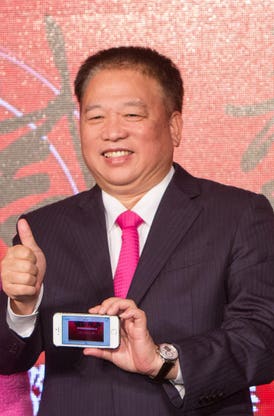
Unveiling the Phenomenal Rise of Michael Chiang's Net Worth
In the dynamic world of global commerce, few stories of wealth creation are as compelling as that of Michael Chiang, the Taiwanese business magnate behind TPK Holdings. As of May 2013, reports placed Michael Chiang's net worth at an astounding $1.75 billion, a figure that represents not just immense success but also a rapid, almost unbelievable, surge in personal wealth. The headline-grabbing statistic for many investors and observers was the dramatic 77% increase in TPK Holdings' net income in just the first quarter of 2013, a pivotal financial performance that served as a powerful engine for Chiang's personal fortune. This article delves into the strategies, market forces, and entrepreneurial vision that allowed Michael Chiang's wealth to soar, cementing his status as a key player in the tech supply chain and a true billionaire.
Michael Chiang's journey to becoming a billionaire is inextricably linked to TPK Holdings, a company that became an indispensable partner for some of the world's leading technology giants. To truly understand the trajectory of Michael Chiang's $1.75 billion net worth, we must explore the foundations of TPK's business and its strategic positioning in an era defined by touch-enabled devices.
The Touchscreen Titan: Michael Chiang and TPK Holdings' Strategic Dominance
At the heart of Michael Chiang's colossal fortune is TPK Holdings, a company that carved out a specialized niche in the highly competitive technology manufacturing sector. TPK's core expertise lies in the production and distribution of high-quality touchscreens, components that became utterly essential with the advent of Apple's revolutionary iPad and iPhone. Before these devices, touch technology was largely rudimentary; TPK, however, was at the forefront of refining capacitive touch sensors, making them responsive, durable, and production-ready for mass market consumption.
The company's prowess isn't limited to mere manufacturing. TPK Holdings is a comprehensive entity involved in the research, development, and distribution of a wide array of touch-related technologies. This includes monitors, modules, and the advanced capacitive touch sensors that define modern user interfaces. Their commitment to innovation meant that as Apple iterated on its designs and introduced new touch-centric features, TPK was often right there, capable of meeting the rigorous demands for quality, scale, and technological sophistication. This strategic alliance with Apple was a golden ticket, providing TPK with massive contracts and cementing its reputation as a global leader in touchscreen technology. It’s this deep integration into the supply chain of tech giants that propelled TPK's revenues and, consequently, Michael Chiang, the billionaire behind Apple's touchscreens at TPK, into the upper echelons of global wealth.
What sets TPK apart is its relentless focus on a critical component that often goes unnoticed by the end-user but is vital to the entire device experience. The responsiveness, clarity, and durability of a device's screen heavily influence consumer satisfaction. TPK's ability to consistently deliver on these fronts allowed them to maintain long-term, high-value contracts with industry titans.
Unpacking the 77% Surge: How TPK Holdings Propelled Wealth
The year 2013 marked a period of explosive growth for Michael Chiang's personal wealth, largely attributed to the stellar performance of TPK Holdings. The most striking figure cited was the astonishing 77% increase in TPK's net income during the first quarter of that year. This isn't just a corporate success story; it's a direct reflection of how a company's robust financial health can dramatically impact its primary stakeholders, especially its founder and major shareholder.
This surge in net income signifies profound operational efficiency, strong market demand, and successful product execution by TPK. Such a significant boost in profitability would naturally lead to heightened investor confidence and, subsequently, a rise in the company's stock value. Indeed, in the year leading up to this period, Chiang's shares in TPK Holdings doubled in value. This doubling of his equity translated directly into an impressive increase in his personal fortune by approximately $850 million. It’s a powerful illustration of how market valuation, driven by strong corporate performance, directly influences a founder's net worth.
To put this into perspective, imagine a company consistently delivering beyond market expectations, capturing a larger share of a booming market, and managing its costs effectively. That was TPK Holdings in early 2013. The global demand for smartphones and tablets was insatiable, and TPK was perfectly positioned as a key supplier for the most coveted devices. The success of Apple's product lines, in particular, created a virtuous cycle for TPK: increased Apple sales meant increased demand for TPK's touchscreens, leading to higher revenues, greater profits, and ultimately, a more valuable company. For Michael Chiang, net worth was not just a number; it was a testament to TPK's strategic foresight and relentless execution in a rapidly evolving tech landscape.
Lessons from TPK's Financial Ascent:
- Strategic Positioning: TPK identified a crucial, high-demand component in a burgeoning market.
- Operational Excellence: The ability to scale production and maintain quality under intense demand.
- Market Timing: Benefiting immensely from the global explosion of touch-enabled devices.
- Investor Confidence: Strong financial results directly correlated with increased stock valuation.
Beyond Apple: TPK's Diversified Clientele and Market Resilience
While TPK Holdings' association with Apple is often highlighted as a cornerstone of its success, Michael Chiang understood the importance of diversification long before his wealth peaked. Relying solely on one major client, no matter how dominant, can expose a company to significant risks if that client's fortunes shift or they decide to bring production in-house. TPK's strategic vision extended beyond the Cupertino giant, embracing other significant players in the burgeoning e-reader and tablet markets.
Beyond Apple, TPK's impressive client roster included other formidable names such as Barnes & Noble, Google, and Amazon. These partnerships were crucial for several reasons:
- Risk Mitigation: Diversifying the client base reduced TPK's dependence on any single customer, providing a buffer against potential changes in demand or supply chain dynamics from one source.
- Market Penetration: Working with different tech giants allowed TPK to embed its technology across a broader spectrum of devices and operating systems, strengthening its market leadership.
- Innovation and Adaptability: Each client likely presented unique specifications and challenges, pushing TPK's R&D teams to continuously innovate and adapt their touchscreen solutions, further enhancing their technological edge.
For example, supplying Barnes & Noble for their Nook e-readers or Amazon for their Kindle Fire tablets meant TPK was instrumental in supporting the growth of direct competitors to Apple in certain segments. This multi-faceted approach showcased TPK's versatility and its capability to tailor solutions for different product ecosystems. The inclusion of Google, a major player across various hardware initiatives, further solidified TPK's reputation as a go-to supplier for advanced touch technologies.
This diversification strategy not only provided stability but also contributed to TPK's overall market valuation, reinforcing investor confidence that the company's success was not a one-off phenomenon tied to a single product line, but rather a reflection of its foundational strength and broad market appeal. It’s a powerful lesson in business strategy: even when you have a golden goose, cultivating other sources of revenue is paramount for long-term sustainability and growth.
Michael Chiang: The Man Behind the Billions
While the financial figures and corporate strategies paint a picture of TPK Holdings' success, it’s essential to acknowledge the individual at the helm: Michael Chiang. Born in Taiwan, Chiang's educational background includes a degree from Fu Jen Catholic University, a foundation that likely honed his analytical skills and strategic thinking. While specific details about his early career are less publicized, his entrepreneurial journey culminating in TPK Holdings speaks volumes about his vision, leadership, and determination.
Chiang's leadership was instrumental in guiding TPK through the intricate and demanding world of high-tech manufacturing. Building a company capable of meeting the stringent quality and volume requirements of tech behemoths like Apple, Google, and Amazon requires not just technical know-how but also astute business acumen, strong negotiation skills, and the ability to foster a culture of innovation and excellence within the organization. His personal life, including being married with two children, offers a glimpse into the individual behind the corporate titan, grounding his immense success in relatable human experience.
Ultimately, Michael Chiang's net worth is more than just a tally of assets; it's a testament to the power of identifying a critical market need, developing a superior product, and executing a business strategy that allowed TPK Holdings to become an indispensable component provider in the global technology landscape. His story provides valuable insights for aspiring entrepreneurs:
- Specialization Pays Off: Focusing on a niche and becoming the best at it can create immense value.
- Strategic Partnerships: Aligning with industry leaders can unlock unparalleled growth opportunities.
- Innovation as a Core Principle: Continuous R&D and adaptation are vital for sustained relevance.
- Diversification for Resilience: Spreading risk across multiple clients builds a stronger, more stable business.
Conclusion: The Enduring Legacy of a Touchscreen Pioneer
Michael Chiang's journey, culminating in a reported michael chiang net worth of $1.75 billion in 2013, is a compelling narrative of entrepreneurial brilliance and strategic market positioning. His vision for TPK Holdings transformed a specialized manufacturing company into a global powerhouse, riding the crest of the touchscreen revolution. The spectacular 77% surge in TPK's net income in early 2013, which directly fueled a significant portion of his wealth increase, wasn't merely a stroke of luck; it was the culmination of years of meticulous research, development, and strategic partnerships.
Chiang’s ability to forge and maintain crucial relationships with tech titans like Apple, while simultaneously diversifying TPK's client portfolio with Google, Amazon, and Barnes & Noble, showcases a deep understanding of market dynamics and risk management. His story is a powerful reminder that in the fast-paced world of technology, those who can anticipate needs, innovate relentlessly, and execute flawlessly are the ones who ultimately shape industries and amass incredible wealth. The legacy of Michael Chiang and TPK Holdings continues to be a benchmark for success in the high-stakes game of global technology supply chains.
